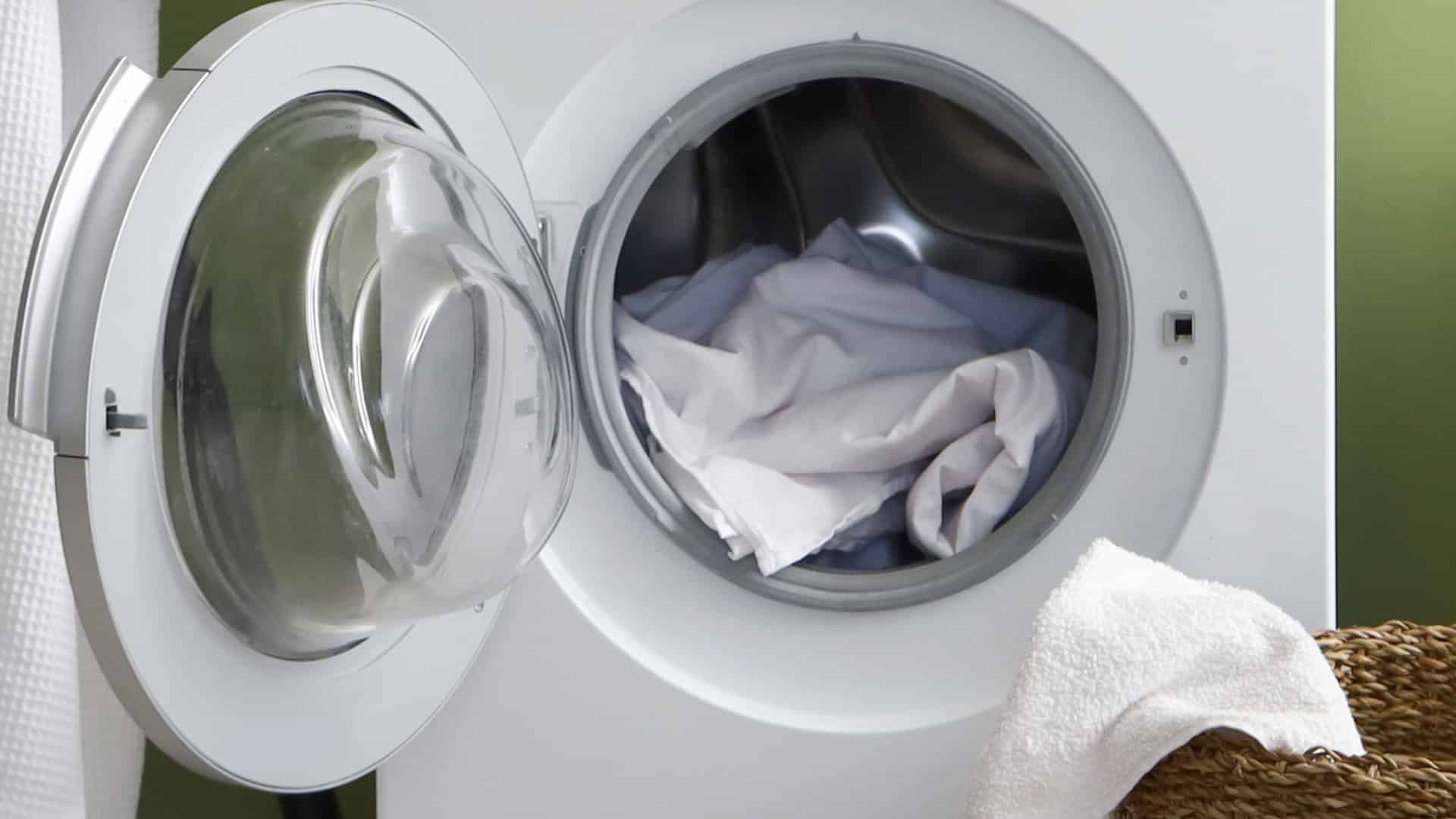
You might think that keeping your washing machine door closed is the best way to protect it, but that could actually lead to issues like mold and unpleasant odors. Leaving the door open after use allows for better airflow and helps the interior dry out completely. However, there are factors to contemplate before making a decision. Understanding these can help you maintain your machine’s performance and longevity.
Understanding Your Washing Machine’s Design
Understanding the design of your washing machine is crucial for maximizing its performance and ensuring longevity. As an expert technician, I’ll break down the essential components and their functions, so you can make informed decisions regarding usage and maintenance.
Understanding your washing machine’s design is key to enhancing performance and ensuring its longevity.
The primary components of a washing machine include the drum, motor, and control panel. Each of these parts plays a vital role in the cleaning process.
- The Drum: This is where your laundry goes. It is designed to agitate and spin clothes, removing dirt and stains. The drum’s design varies between top-loading and front-loading machines, affecting how clothes are cleaned. For instance, front-loading machines are generally more water-efficient and gentler on fabrics due to their tumbling motion, while top-loaders may be better suited for larger loads.
- The Motor: This component powers the drum’s movement. Washing machines typically have either a direct drive motor or a belt-driven motor. Direct drive motors are quieter and more efficient, while belt-driven motors can be easier to repair. Understanding how your motor operates can help you identify potential issues, such as unusual noises or vibrations that may indicate a problem.
- The Control Panel: This is your interface for selecting wash cycles, water temperature, and spin speeds. Familiarizing yourself with the control panel will allow you to choose the best settings for your laundry type, optimizing cleaning efficiency while reducing wear and tear on your machine.
Now, let’s discuss some best practices for using your washing machine effectively:
- Detergent Compatibility: It’s essential to use a detergent that is compatible with your washing machine’s design. High-efficiency (HE) detergents are formulated for modern machines and produce fewer suds, improving rinsing and preventing damage. Always check the user manual for recommendations on detergent types.
- Water Temperature: The temperature of the water you use can significantly impact cleaning results. Hot water is effective for removing tough stains and sanitizing fabrics, but it’s not always suitable for all materials. Delicate fabrics may shrink or become damaged in hot water. Always refer to the care labels on your clothing and adjust the temperature settings accordingly.
The Impact of Moisture on Washing Machines
Moisture plays a pivotal role in the performance and longevity of your washing machine, influencing various components and their functionality. Excess moisture can become a breeding ground for mold and mildew, resulting in unpleasant odors and potentially damaging the appliance over time. Mold not only affects the washing machine’s smell but can also infiltrate the drum and other areas, leading to further maintenance issues.
Moreover, if detergent residue isn’t thoroughly rinsed out, moisture combined with leftover soap can create an ideal environment for bacteria to thrive. This not only compromises your machine’s efficiency but may also impact the cleanliness of your laundry. Regular cleaning cycles, using appropriate cleaning agents, and ensuring a proper rinse can help mitigate these risks.
On the other hand, maintaining an optimal moisture level is essential for the smooth operation of your washing machine. When excess moisture is eliminated, your washing machine runs more efficiently, leading to reduced vibration during cycles. This smooth operation minimizes wear and tear on internal components, which ultimately extends the lifespan of the appliance.
One of the most effective ways to manage moisture levels is by regularly inspecting seals and gaskets for leaks. Over time, these components can wear down or degrade, leading to unwanted moisture entering or escaping the machine. By replacing damaged seals and maintaining the integrity of gaskets, you can ensure that moisture levels remain balanced.
Additionally, after each wash, it’s beneficial to leave the washing machine door open for a while. This allows any trapped moisture to evaporate, reducing the chances of mold growth. Implementing a maintenance routine that includes checking for leaks, cleaning detergent dispensers, and regularly running maintenance washes with specialized cleaners will keep your washing machine operating at its best.
Benefits of Keeping the Door Open
As an expert technician, I want to emphasize the importance of keeping your washing machine door open after each use. This simple practice can significantly enhance the performance of your appliance and improve your overall laundry experience. Here’s a detailed breakdown of the key benefits:
- Improved Airflow: By leaving the door open, you allow air to circulate inside the drum. This airflow promotes faster drying of the drum after each wash cycle. When moisture is allowed to evaporate quickly, it reduces the likelihood of excess humidity lingering inside the machine, which is vital for maintaining a healthy appliance.
- Reduced Mold Growth: One of the most common issues with washing machines is the growth of mold and mildew. These fungi thrive in damp environments, which can develop when the door is kept closed after washing. By keeping the door ajar, you create an inhospitable environment for mold and bacteria, helping to keep your washing machine clean and odor-free.
- Detergent Residues Prevention: Over time, detergent can build up inside the washing machine, especially if it is not rinsed out completely. This residue can affect the washing efficiency of the appliance and may even lead to unpleasant odors. Leaving the door open allows any residual moisture to evaporate, which minimizes the chances of soap buildup and maintains the performance of your washer.
- Optimized Water Drainage: After a wash cycle, some water may remain in the drum or door seal. By keeping the door open, you ensure that any residual water drains properly, preventing leaks and potential damage to the machine. This also helps avoid the risk of rust and corrosion in metal parts that can occur due to trapped moisture.
Potential Drawbacks of Leaving the Door Open
Leaving the washing machine door open can indeed be beneficial for ventilation and odor reduction, but it’s crucial to consider some potential drawbacks that might arise from this practice. As an expert technician, I want to highlight a few key issues to consider.
One primary concern is energy consumption. When the door is ajar, many modern washing machines may not enter their energy-saving standby mode. This can lead to unnecessarily high energy usage, contributing to increased utility bills over time. Depending on how frequently you leave the door open, these costs can accumulate, potentially negating the benefits of improved airflow and moisture reduction inside the drum.
Leaving the washing machine door open can increase energy consumption, leading to higher utility bills over time.
Another important factor to consider is user convenience and safety. An open washing machine door can pose a risk, especially in smaller laundry rooms where space is limited. Bumping into the door can lead to accidents or injuries, particularly in areas with high foot traffic. Additionally, if you have pets or small children, an open door can become an inviting space for exploration. This could lead to potential damage to the machine or, worse, injury to curious little hands or paws.
Furthermore, leaving the door open for extended periods could expose the interior of the machine to dust and debris, which could eventually affect its performance. While ventilation is important, it’s essential to strike a balance to ensure that your machine remains in optimal working condition.
How Mold and Mildew Affect Your Washer
As an appliance repair expert, I want to emphasize the importance of managing humidity in your washing machine to prevent the growth of mold and mildew. These unwanted organisms thrive in damp environments, particularly when the washing machine door is left closed after a cycle. Here’s a detailed look at how mold and mildew can affect your washer and how you can combat these issues effectively.
The Effects of Mold and Mildew
- Unpleasant Odors: Mold and mildew can produce strong, musty odors that can transfer to your laundry. This can make your clothes smell less than fresh, even after washing.
- Damage to Washer Interior: Over time, mold and mildew can cause discoloration and deterioration of your washer’s interior parts. This can lead to more significant issues, potentially affecting the machine’s performance and lifespan.
- Detergent Residue Contribution: Many detergents contain ingredients that can leave a residue inside the drum and other components of the washer. This residue can serve as a food source for mold and mildew, leading to their growth.
- Poor Water Drainage: If your washing machine does not drain properly, water can accumulate in the drum, creating a perfect breeding ground for mold and mildew. This can be exacerbated by lint and debris that can block drainage pathways.
Prevention Strategies
To effectively prevent mold and mildew from becoming a problem in your washing machine, consider the following strategies:
- Ensure Proper Water Drainage: Regularly check the drainage system of your washer. Ensure that there are no clogs in the drain hose and that the washer is level, allowing for effective drainage.
- Avoid Leaving Wet Clothes: After completing a wash cycle, promptly remove wet clothes from the drum. Leaving them for extended periods can create a damp environment conducive to mold growth.
- Keep the Door Open: After using the washer, leave the door ajar to allow air circulation. This helps to dry out the interior and reduce humidity levels inside the drum.
- Regular Cleaning: Schedule routine cleanings for your washing machine. Focus on areas prone to detergent buildup, such as the detergent dispenser, rubber door seals, and the drum itself. You can use a mixture of vinegar and baking soda to help eliminate odors and residues.
- Consider Using a Washer Cleaner: There are specific washer cleaning products available that can help remove stubborn residues and kill mold and mildew. Use these as directed to keep your washer in optimal condition.
Recommended Practices for After Each Wash
To ensure your washing machine operates at peak performance and to prevent the growth of mold and mildew, it’s essential to follow a set of recommended practices immediately after each wash cycle. Here’s a detailed guide that will help you maintain your appliance effectively:
- Air Out the Drum: After completing your laundry, leave the door of the washing machine open for a period of time. This allows air to circulate within the drum, helping to evaporate any residual moisture. Stagnant water can create a perfect breeding ground for mold and mildew, so it’s crucial to let humidity escape.
- Clean the Detergent Drawer: Take a moment to inspect the detergent drawer for any remnants of detergent or fabric softener. Over time, these substances can build up, leading to clogs and affecting your washer’s efficiency. Wipe the drawer with a damp cloth to remove any residue, ensuring that it remains clean and free-flowing for future washes.
- Check Water Drainage: Inspect the drainage system of your washing machine to make sure it is functioning properly. Stagnant water in the drainage hoses or pump can lead to unpleasant odors and create an environment conducive to mold growth. If you notice any signs of blockage, address them promptly to maintain optimal drainage.
- Regularly Clean the Filter: If your washing machine is equipped with a filter, it’s important to check and clean it regularly. The filter can trap lint, hair, and debris, which not only affects the efficiency of your machine but can also lead to malfunctions over time. Cleaning the filter is a straightforward process: simply remove it according to your manufacturer’s instructions, rinse it under running water, and reinstall it.
- Monthly Maintenance Cycle: To keep your washing machine in top condition, consider running a maintenance cycle once a month. This can be done by setting your machine to a hot water cycle and adding either white vinegar or a specialized washing machine cleaner. Vinegar acts as a natural disinfectant and helps to break down any soap scum or mineral deposits, leaving your machine fresh and odor-free.
Signs Your Washing Machine Needs Maintenance
As an expert technician, I cannot stress enough the importance of regular maintenance for your washing machine. While maintaining your appliance after each use is essential, recognizing the signs that it requires professional attention is equally crucial. Ignoring these indicators can lead to significant issues, including decreased energy efficiency and increased water usage, ultimately resulting in higher utility bills. Below are some key signs to look out for that may indicate your washing machine is in need of maintenance:
Recognizing signs of maintenance needs is crucial to prevent costly repairs and ensure your washing machine runs efficiently.
1. Unusual Noises During Operation
If your washing machine starts to produce strange sounds—such as grinding, clanging, or banging—it’s a clear sign that something is amiss. These noises can be caused by foreign objects caught in the drum, worn-out bearings, or issues with the motor. Ignoring these sounds can lead to more severe damage over time, so it’s essential to have a technician inspect the machine.
2. Frequent Error Codes on the Display
Modern washing machines are equipped with error codes that alert you to specific issues. If you frequently see these codes, it’s a signal that the machine is experiencing operational problems. Common error codes can indicate issues with the water supply, drainage, or electrical components. Consulting your user manual can help you understand what these codes mean, but it’s often best to call a professional for a thorough diagnosis.
3. Water Leaks Around the Machine
Seeing water pooling around your washing machine is not normal and should never be ignored. Leaks can stem from various sources, including damaged hoses, worn-out door seals, or even issues with the internal components of the machine. Not only can leaks cause water damage to your flooring, but they can also lead to mold growth and other complications if left unaddressed. A technician can help identify the source of the leak and perform the necessary repairs.
4. Clothes Coming Out Still Dirty or Damp
If you find that your clothes are coming out of the washing machine still stained or damp, it may indicate that the machine is not functioning efficiently. This could be due to a clogged filter, an overloaded drum, or problems with the motor. Regular maintenance, such as cleaning the filter and ensuring the drum is not overloaded, can help prevent this issue, but persistent problems warrant a professional inspection.
Why Regular Maintenance Matters
Regular maintenance not only extends the lifespan of your washing machine but also ensures it operates at peak efficiency. By monitoring its performance and addressing any issues early, you can avoid costly repairs and replacements. A well-maintained machine promotes optimal energy efficiency and effective water conservation, ultimately saving you money in the long run.
The Role of Ventilation in Appliance Care
As an expert technician, I cannot stress enough the importance of proper ventilation when it comes to maintaining the longevity and efficiency of your appliances, particularly your washing machine. Many homeowners tend to overlook this critical aspect, but good air circulation is essential for avoiding a range of issues that can arise from humidity buildup.
When you run a wash cycle, moisture is inevitably introduced into the machine. If the washing machine door is closed immediately after use, this moisture gets trapped inside, creating an ideal environment for mold and mildew to thrive. Not only does this lead to unpleasant odors, but it can also adversely affect the internal components of the machine, leading to wear and tear that may result in costly repairs down the line.
To promote a healthier environment for your washing machine, it’s a good practice to keep the door open for a period after each use. This simple action allows any residual moisture to escape, facilitating better air circulation and reducing the risk of mold growth.
In addition, the overall ventilation of your laundry area is crucial. A space that retains humidity can exacerbate the problems associated with your washing machine. To combat this, consider installing exhaust fans or using dehumidifiers, especially in areas where air tends to become stagnant or humid. Proper ventilation not only enhances the performance of your washing machine but can also extend its lifespan, ultimately saving you money on repairs and replacements.
Tips for Reducing Odors in Your Washing Machine
If you’ve been experiencing unpleasant odors emanating from your washing machine, it’s crucial to take action promptly to ensure a fresh and clean laundry environment. As an expert technician, I can provide you with detailed strategies that will effectively help reduce these odors.
- Regularly Clean the Drum: Over time, detergent residue, fabric softener buildup, and dirt can accumulate inside the drum of your washing machine. To combat this, it’s advisable to clean the drum on a regular basis. You can do this by running a hot water cycle with either white vinegar or a specialized washing machine cleaner. The acidity in the vinegar helps dissolve any residue, while also killing bacteria and mold that may contribute to unpleasant smells.
- Leave the Door Ajar: After completing a wash cycle, it’s a good practice to leave the washing machine door slightly open. This simple step allows for air circulation within the drum, which helps prevent moisture from becoming trapped. Excess moisture is a breeding ground for mold and mildew, both of which can produce foul odors. By promoting airflow, you help keep your machine dry and odor-free.
- Use Appropriate Load Capacity: Overloading your washing machine can lead to inadequate cleaning and rinsing of your laundry. When too many clothes are packed into the drum, water may not circulate effectively, leaving behind detergent residue and dampness that can cause odors. Always refer to your machine’s manual for the recommended load capacity and try to adhere to it for optimal performance.
- Run a Hot Water Cycle with Cleaning Agents: Periodically running a hot water cycle can be an excellent way to refresh your washing machine. Adding either a cup of white vinegar or half a cup of baking soda during this cycle can help neutralize any lingering smells. The heat from the water combined with these natural agents will break down residues and kill odor-causing bacteria.
Alternative Solutions for Preventing Mold
To effectively prevent mold growth in your washing machine, it’s important to adopt a comprehensive approach that incorporates several practical measures. As an expert technician, I can assure you that these strategies will not only help maintain the cleanliness of your appliance but also enhance its overall performance.
1. Choose the Right Detergent:
Selecting the appropriate detergent is crucial in mold prevention. High-efficiency (HE) detergents are specifically designed for modern washing machines that use less water. These detergents produce fewer suds and are more effective at rinsing away residues. When you use an HE detergent, it helps prevent soap buildup, which can create a breeding ground for mold and mildew. Always check your washing machine’s specifications to ensure compatibility with HE detergents.
2. Adjust Water Temperature Settings:
The temperature of the water you use for washing can significantly impact mold growth. Hot water is effective in killing bacteria and mildew, making it an excellent choice for regular laundry loads. On the other hand, cold water may not effectively rinse away detergent residues, leaving behind moisture that facilitates mold growth. For heavily soiled items or towels, consider using hot water to ensure a thorough clean.
3. Monthly Maintenance with Vinegar or Baking Soda:
Incorporating a monthly maintenance routine can help keep your washing machine fresh and mold-free. Running an empty cycle using hot water along with a cup of white vinegar or baking soda can eliminate odors and residues. Vinegar acts as a natural disinfectant, while baking soda helps neutralize odors. This simple practice can help maintain a clean interior and reduce the likelihood of mold formation.
4. Wipe Down Seals and Drum:
After each use, it’s essential to wipe down the door seal and drum of your washing machine. Moisture often accumulates in these areas, creating an ideal environment for mold to thrive. Use a dry cloth to remove any water and residue that may linger after your laundry cycle. Regularly inspecting and cleaning these surfaces can significantly reduce moisture levels.
5. Leave the Door Open:
After completing a wash cycle, leave the washing machine door open for a while to allow air circulation. This practice helps to dry out the interior, reducing humidity levels that contribute to mold growth. It’s a simple yet effective way to keep the machine fresh between loads.
When to Leave the Door Closed
When to Leave the Washing Machine Door Closed: A Comprehensive Guide
As an appliance repair expert, I often get questions about the best practices for maintaining washing machines, particularly regarding the washing machine door. While it’s generally recommended to leave the door open after use for air circulation to prevent mold and odors, there are specific scenarios where keeping the door closed can be beneficial. Here are some situations to consider:
1. During Laundry Cycles:
When your washing machine is actively running a load, it is crucial to keep the door closed. This not only prevents interruptions that could disrupt the washing process but also ensures that the door locks properly during operation. Most modern washing machines are designed with safety features that prevent the door from being opened while a cycle is in progress, and keeping it closed guarantees that these mechanisms function correctly.
2. If You Have Pets at Home:
For pet owners, keeping the washing machine door closed is a smart precaution. Curious pets may explore the inside of the machine, which can pose safety risks. By keeping the door securely shut, you eliminate the chance of your furry friends getting trapped or encountering any hazardous substances, such as detergent or fabric softeners, that may be stored inside.
3. In Humid Environments:
Excessive humidity can lead to moisture buildup in and around your washing machine, creating an environment conducive to mold and mildew growth. In these cases, closing the door can help to reduce the amount of moisture entering the machine. However, it’s important to balance this with regular airing out of the drum after cycles to ensure adequate ventilation.
4. When Storing Detergent or Other Items:
Some users opt to store their laundry detergent or other cleaning supplies in the washing machine. If this is the case, closing the door is essential to prevent spillage and to keep these items secure. This practice can also deter children from accessing potentially harmful substances. However, if you choose to store detergents inside, make sure they are in sealed containers to avoid any leaks.
Making the Best Choice for Your Laundry Routine
Optimizing your laundry routine can significantly improve the performance of your washing machine while ensuring your clothes come out cleaner and last longer. As an expert technician, I can share several key strategies to help you make the most of your laundry process.
1. Fill Your Loads Wisely:
One of the most effective ways to enhance energy efficiency in your laundry routine is by running full loads. A fully loaded washing machine uses water and energy more efficiently compared to running several small loads. It’s important, however, to avoid overloading the machine, as this can prevent clothes from getting properly clean and may strain the washer’s components. Aim to fill the drum to about three-quarters full for optimal performance.
2. Choose the Right Cycle Settings:
Different fabrics require specific care to ensure they are cleaned effectively while maintaining their integrity. For example, delicate fabrics like silk or lace should be washed on gentle cycles with cold water, whereas sturdy fabrics like cotton can handle a regular cycle with warmer water. Familiarize yourself with the cycle settings on your washing machine and select the appropriate one based on the fabric type. This not only results in better cleaning but also extends the lifespan of your garments.
3. Time Your Washes:
Another aspect to consider is the timing of your laundry. Many utility companies charge lower rates for electricity during off-peak hours, typically late at night or early in the morning. By scheduling your laundry during these times, you can save on your energy bill. Check with your local energy provider to find out when these off-peak hours are.
4. Maintain Proper Ventilation:
If you tend to leave your washing machine door open, ensure it’s for a good reason. Keeping the door ajar helps to ventilate the drum and allows moisture to escape, which can prevent the growth of mold and mildew. However, make it a point to close the door when not in use to protect the interior from dust and potential damage. If you notice a musty smell or visible mold, clean the rubber gasket and wipe down the interior of the drum regularly.