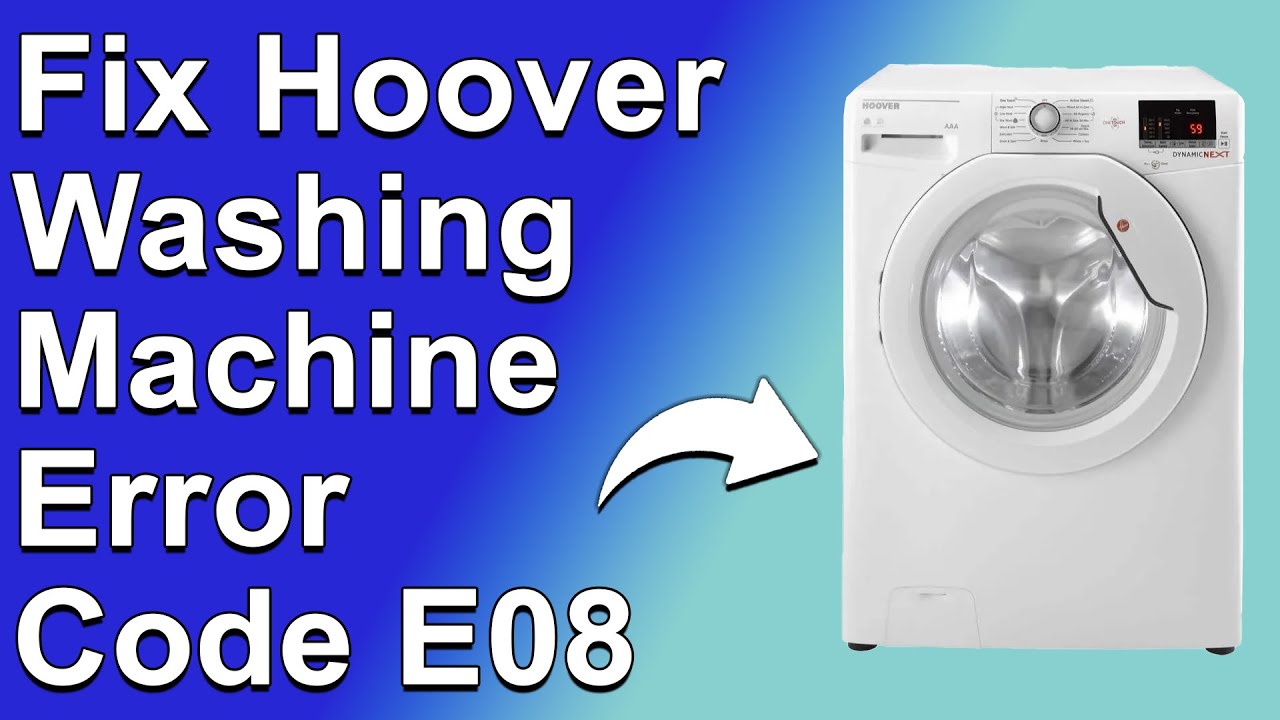
Is your Hoover washing machine flashing an error code, leaving you frustrated and unsure of what to do next? You’re not alone—many users find themselves puzzled when these cryptic messages appear, often indicating everything from drainage issues to door malfunctions.
But don’t worry; understanding these error codes is the first step toward reclaiming your machine’s efficiency. In this post, we’ll walk you through the essential steps to diagnose the problem, how to confirm your findings, and tackle the repair process effectively.
By the end, you’ll be equipped with the knowledge to get your appliance back to peak performance. Read on to uncover the solutions that will restore your peace of mind and keep your laundry routine running smoothly!
Understanding the Problem
When your Hoover washing machine shows an error code, it can be quite perplexing, especially if you’re not sure what it signifies. However, understanding how to interpret these error codes is crucial for effective troubleshooting. Each code is linked to specific issues, such as drainage problems or door malfunctions, and knowing what they mean can save you time and effort.
Begin by referring to your user manual, which typically contains a comprehensive list of error codes along with their explanations. This will give you a solid starting point for identifying the issue at hand.
Once you have identified the error code, you can implement a few troubleshooting steps. For instance, ensure that the door is securely closed, as many washing machines will not operate if they detect that the door is ajar. Additionally, check the drain hose for any blockages or kinks, as these can lead to drainage issues.
If the error code continues to appear after these checks, try resetting your machine. You can do this by unplugging it from the power source for a few minutes and then plugging it back in. This simple step can often clear temporary errors that may have occurred.
Required Toolkit
To effectively troubleshoot your Hoover washing machine, it’s essential to have a reliable toolkit ready. As a seasoned appliance repair technician with over 20 years of experience, I’ve found that having the right tools can make all the difference in diagnosing and fixing common issues.
Start with a multimeter. This invaluable tool allows you to check the electrical components of your washing machine, helping you identify any faulty connections or parts. Next, ensure you have a set of screwdrivers, including both flathead and Phillips. These will enable you to access various panels and compartments for any necessary DIY repairs.
Pliers are also a must-have in your toolkit. They are ideal for gripping and twisting wires or small components, making it easier to handle delicate parts without causing damage. Additionally, having a level on hand is crucial. Ensuring your washing machine is sitting correctly not only prevents operational issues but also prolongs the life of the appliance.
Don’t forget a flashlight. This will help you illuminate dark areas inside and around the washing machine, allowing you to see what you’re working on more clearly. Lastly, a soft cloth can be quite useful for cleaning away any debris or lint that may be affecting your machine’s performance.
With this toolkit at your disposal, you’ll be well-equipped to tackle most common error codes and maintain your Hoover washing machine effectively. Remember, safety first! Always unplug your appliance before attempting any repairs.
Safety First
Before undertaking any repairs on your Hoover washing machine, it’s crucial to prioritize safety to avoid accidents or injuries. Start by unplugging the machine from the power source to eliminate any risk of electrical hazards. Always wear suitable personal protective equipment—specifically gloves and safety goggles—to safeguard yourself during the repair process.
If there are children in the vicinity, ensure that they are kept at a safe distance; small parts and tools can present choking hazards. It’s also important to familiarize yourself with the safety features and warnings outlined in the user manual for your specific model. This knowledge is key to understanding the machine’s operation and potential risks.
In addition, avoid conducting repairs in wet conditions. Water and electricity do not mix, and working in a damp environment can increase the risk of shock or further damage to the appliance.
Confirming the Diagnosis
After ensuring your safety, the next step is to confirm the diagnosis of the error code displayed by your Hoover washing machine. Start by using diagnostic tools like a multimeter or any available diagnostic software, as these can provide valuable insights into the machine’s functionality. These tools are essential for accurately pinpointing any underlying issues.
Next, refer to the user manual for your specific model. It usually contains troubleshooting tips related to the error code you’re encountering, which can help you identify potential causes such as blockages, electrical faults, or component failures. By systematically following these steps, you’ll gather the necessary information to gain a clearer understanding of the problem at hand.
The Step-by-Step Repair
Once you’ve confirmed the diagnosis, it’s essential to approach the repair process with care and precision. Begin by gathering the necessary tools and replacement parts based on the error codes you’ve encountered. Here are some straightforward troubleshooting tips to help ensure a successful repair:
| Step | Action |
|---|---|
| 1. Identify | Carefully pinpoint the specific issue indicated by the error code. This step is crucial as it guides the entire repair. |
| 2. Disconnect | For your safety, unplug the washing machine from the power source. This precaution prevents any electrical hazards while you work. |
| 3. Remove Parts | Gently remove the faulty components. Take your time to avoid damaging surrounding parts. Document the order of disassembly if needed. |
| 4. Replace | Install the new parts, ensuring they are compatible and fit securely. Double-check the manufacturer’s specifications to avoid any issues. |
| 5. Test | Run a full cycle after the repair to confirm that the issue is resolved. Monitor the machine closely to ensure it operates smoothly. |
When to Call a Professional
Repairing a Hoover washing machine can be a fulfilling endeavor, but there are certainly moments when enlisting the help of a professional is the wisest choice. After attempting some DIY troubleshooting, if you still find yourself dealing with persistent leaks, unusual noises, or error codes that refuse to clear, it’s a clear indication that it’s time to consult an expert.
Moreover, if you encounter electrical issues or notice that the machine isn’t draining properly even after several attempts, don’t hesitate to seek assistance from a qualified technician. Their specialized knowledge and experience can not only save you time but also help prevent any potential damage to your appliance.
It’s important to recognize that certain repairs necessitate tools or expertise that only seasoned professionals possess. Take a moment to assess your situation carefully; sometimes, allowing a professional to take over is the safest and most effective route. Remember, prioritizing safety and proper function is key to maintaining your washing machine in the long run.