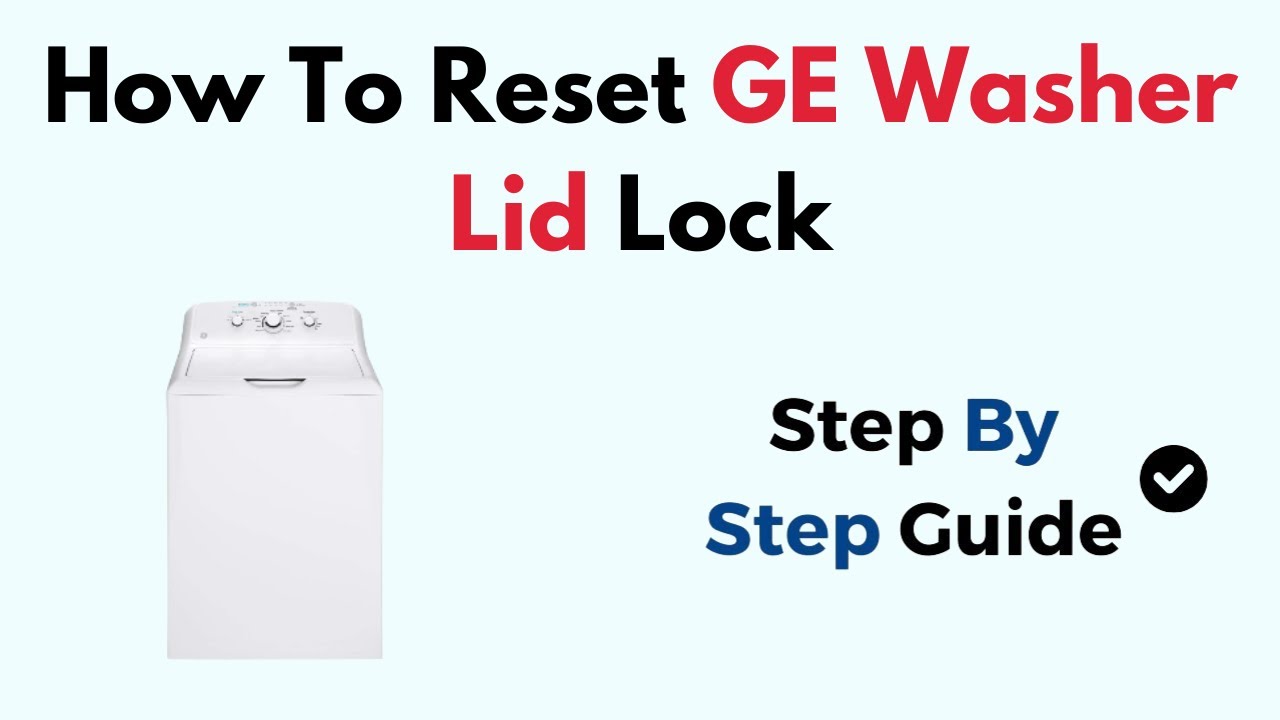
Imagine you’re in the midst of a laundry marathon, and just as you’re about to check on your load, your GE washer abruptly stops, flashing the dreaded “E20” error code. This lid lock fault can throw a wrench in your day, leaving you frustrated and confused about what went wrong.
But don’t worry, you’re not alone in this! Understanding the root of the issue is the first step towards getting your washer back on track. In this post, we’ll delve into what the “E20” error means, explore common causes, and provide you with actionable solutions to restore your washer’s functionality.
Stick around to discover the insights you need to tackle this problem head-on!
Understanding the Problem
When you see the GE washer error code “E20,” it signals a drainage issue that can interrupt your laundry cycle. This error is often linked to a problem with the lid lock mechanism. If the lid isn’t properly secured, the washer won’t operate correctly, triggering the error code.
To troubleshoot this issue, start by inspecting the lid lock for any obstructions or signs of damage. Make sure the lid closes fully, as an open lid can easily cause the “E20” error to appear. Additionally, check the drain hose and pump for clogs, as these can also lead to drainage problems. A thorough inspection of these components is key to resolving the issue effectively.
Required Toolkit
To effectively troubleshoot the GE washer error code “E20,” it’s crucial to have the right tools at your disposal. With over 20 years of experience in appliance repair, I can assure you that being prepared will make the process smoother and safer. Here are the essential items you’ll need to diagnose the issue accurately and replace any faulty components:
- Multimeter: This tool is indispensable for checking electrical connections. It will help you ensure that the lid lock mechanism is operating properly. A multimeter allows you to measure voltage and continuity, which is essential for identifying any electrical faults.
- Screwdriver set: You’ll need a set of screwdrivers to access the internal components of your washer easily. Make sure you have both Phillips and flat-head screwdrivers, as different screws may be used throughout the appliance.
- Replacement parts: It’s wise to have compatible replacement parts on hand, specifically a lid lock assembly and wiring harness. If you discover any damaged components during your troubleshooting, having these parts ready will allow you to make the necessary repairs without delay.
Safety First
Before you begin troubleshooting your GE washer, it’s crucial to prioritize safety. Taking the right precautions can prevent accidents and ensure a smooth repair process. Always remember to unplug the washer before starting any repairs. If you run into unexpected issues, familiarize yourself with emergency procedures to handle potential problems.
Here’s a quick reference table to keep your safety in check:
| Step | Action Required | Notes |
|---|---|---|
| 1. Disconnect Power | Unplug the washer | This prevents electrical shock, a critical first step. |
| 2. Ensure Dry Area | Keep the workspace dry | This helps avoid slip hazards that can lead to injuries. |
| 3. Use Tools Safely | Handle tools with care | Using tools improperly can cause injuries, so take your time. |
| 4. Follow Manuals | Refer to user guidelines | Always consult the manual to ensure you’re following the correct procedures. |
Confirming the Diagnosis
After ensuring that your safety measures are in place, the next step is to verify the diagnosis of the E20 error code on your GE washer. This step is crucial in determining if the lid lock fault is indeed the source of your issues. To assist you in accurately troubleshooting, follow these detailed steps:
- Lid Closure Check: Start by checking if the lid closes properly. You should hear a distinct clicking sound when it locks into place. This sound indicates that the lid lock mechanism is engaging correctly.
- Lid Lock Assembly Inspection: Next, take a close look at the lid lock assembly. Check for any visible signs of damage or debris that could be interfering with its operation. Sometimes, simple obstructions can prevent the lid lock from functioning as it should.
- Wiring Harness Assessment: Finally, inspect the wiring harness connected to the lid lock. Ensure that it is secure and free from any fraying or damage. A loose or damaged wiring harness can lead to communication issues between the lid lock and the washer’s control board.
The Step-by-Step Repair
Once you’ve confirmed that the lid lock is the source of the E20 error code, it’s time to tackle the necessary repairs with confidence. First and foremost, ensure your safety by unplugging the washer from the electrical outlet. This step is crucial to prevent any electrical hazards while you work.
Next, remove the top panel of the washer. To do this, locate and unscrew the screws at the back of the top panel. With the screws removed, gently lift the panel off and set it aside. Now, take a close look at the lid lock assembly. Inspect it thoroughly for any visible signs of damage, such as cracks, or check for any loose connections that could be causing the error.
If you find any issues during your inspection, it’s time to replace the lid lock with a compatible part. Make sure to source a quality replacement to ensure the longevity of your repair. Once you have installed the new part, carefully reassemble the top panel by aligning it back in place and securing it with the screws you removed earlier.
After everything is back together, plug your washer back into the outlet. To confirm the repair was successful, run a diagnostic test. If the E20 code no longer appears, congratulations! You’ve effectively resolved the issue.
However, if the error persists, don’t be discouraged. Take a moment to revisit your troubleshooting steps and ensure that all connections are secure and nothing was overlooked during the repair process. Your careful attention to detail is key to successfully resolving appliance issues.
When to Call a Professional
When should you consider reaching out to a professional for your GE washer’s E20 error code? If you’ve diligently followed the basic troubleshooting steps and the issue persists, it may be time to seek expert assistance. Here are some clear indicators that suggest it’s best to call in a specialist:
- You’ve attempted to resolve the error using diagnostic tools, but without success.
- You find yourself unfamiliar with the advanced repair techniques necessary to address the lid lock issue.
- You’re observing other error codes or unusual behavior from your washer that may indicate a deeper problem.
Professionals in appliance repair possess the expertise and specialized tools required to accurately diagnose and fix complex issues. Trying to tackle repairs without the proper knowledge can result in further damage, potentially leading to higher repair costs down the line. Remember, it’s always better to ask for help when you’re unsure. Your washing machine is a significant investment, and ensuring it’s in good hands will save you time, money, and frustration.