Seeing the error code “E31” on your Beko washer can be incredibly frustrating. It’s a clear sign that your machine is struggling with drainage, which can lead to a host of bigger problems if left unresolved.
Whether it’s a clogged drain filter, a damaged hose, or a malfunctioning pump, this issue can disrupt your laundry routine and leave you feeling helpless. But don’t worry; you’re not alone in facing this challenge.
In this post, we’ll walk you through the steps to diagnose and fix the E31 error effectively. By the end, you’ll have the knowledge and confidence to tackle this problem head-on and get your washer back in working order.
Let’s dive into the details and get your laundry back on track!
Understanding the Problem
When your Beko washer displays the error code E31, it typically points to a drainage issue. This code indicates that the machine is struggling to drain water properly, which can lead to further malfunctions if not addressed. Let’s break down some common causes of this problem and how to tackle them effectively.
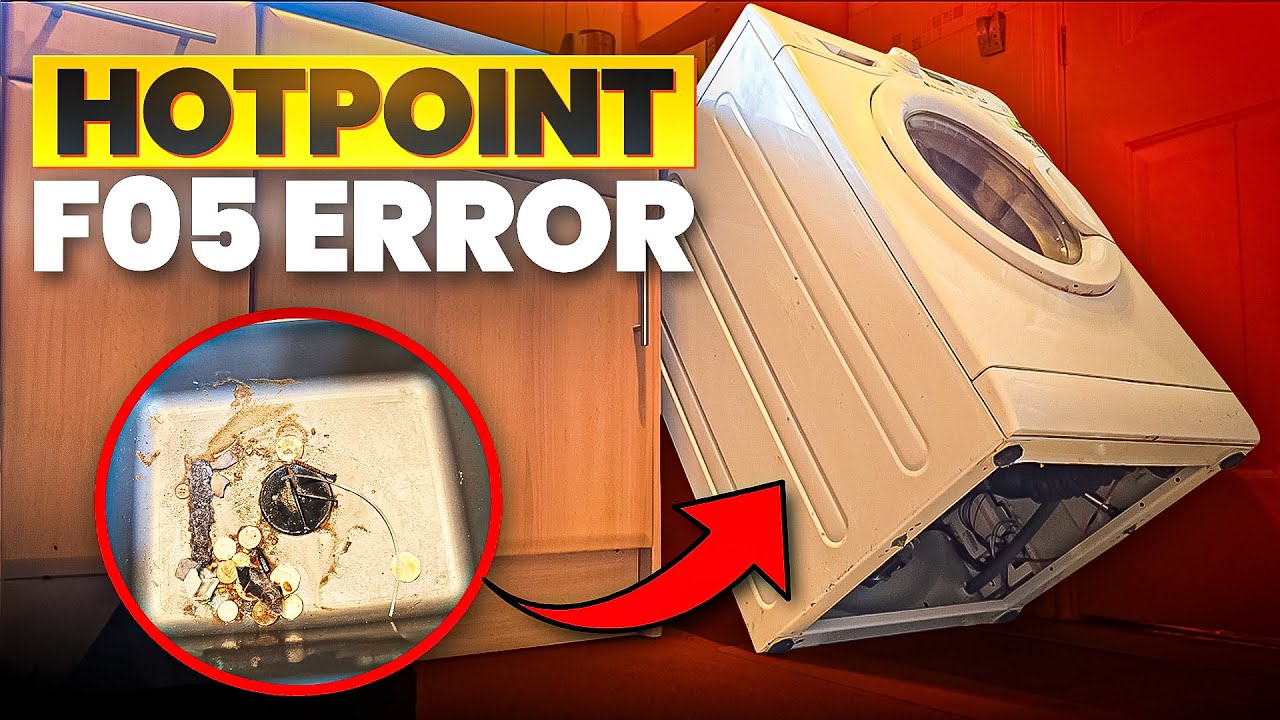
- Clogged Drain Filter: A blocked drain filter can trap lint, debris, and other objects, preventing water from flowing out. To resolve this, locate the drain filter (usually at the bottom front of the machine), open it carefully, and clean out any obstructions. Remember to have a towel or shallow container ready to catch any residual water.
- Kinked or Damaged Drainage Hose: Inspect the drainage hose for any bends, kinks, or damage. A restricted hose can impede water flow. If you find any issues, straighten out any kinks or consider replacing the hose if it’s damaged.
- Faulty Pump: If the pump is malfunctioning, it may not be able to expel water effectively. Listen for unusual noises when the washer attempts to drain. If you suspect the pump is the issue, it may require replacement. Consult your washer’s manual for instructions on accessing and replacing the pump safely.
Required Toolkit
To effectively address the E31 error code on your Beko washer, having the right tools is crucial for a successful repair. Here’s a practical list to guide you:
- Multimeter: This tool is essential for checking the electrical connections related to the water level sensor. It will help you determine if the sensor is functioning properly and if there are any electrical issues that need attention.
- Screwdriver Set: A good quality screwdriver set will allow you to access the drainage system and other internal components of your washer. Be sure to have both flathead and Phillips screwdrivers on hand, as different screws may require different types.
- Small Container: Keep a small container or bucket nearby to catch any water that may spill during your repair process. This will help you maintain a clean workspace and prevent any water damage.
- Flashlight: A reliable flashlight will be invaluable for illuminating dark areas inside your washer. This is especially useful for spotting any obstructions or issues within the drainage system.
- Pliers: A pair of pliers will be helpful for disconnecting hoses or clamps that may be difficult to remove by hand. They can provide the extra grip and leverage needed to safely detach components.
With these tools at your disposal, you’ll be well-equipped to diagnose and resolve the issues causing the E31 error code. Remember to prioritize safety throughout the process, and take your time to ensure that each step is carried out correctly. Your Beko washer will be back to operating smoothly in no time!
Safety First
Before you start working on your Beko washer, it’s crucial to prioritize safety to avoid accidents and injuries. While DIY repairs can be fulfilling, adhering to electrical safety guidelines is essential for creating a safe workspace.
Here are some important safety precautions to keep in mind:
| Safety Precautions | Description | Importance |
|---|---|---|
| Disconnect Power | Always unplug the washer before beginning any repairs. | This step prevents the risk of electrical shock. |
| Use Insulated Tools | Ensure you have tools with rubber handles. | Insulated tools significantly reduce the risk of accidental electrical contact. |
| Wear Protective Gear | Equip yourself with gloves and safety goggles. | This gear protects you from sharp edges and any debris that may be present during repairs. |
Confirming the Diagnosis
After ensuring your safety, it’s time to confirm the diagnosis of the E31 error code on your Beko washer. Start by checking the power supply: make sure the washer is plugged in and that the outlet is functioning properly—an outlet tester can help confirm this.
Next, focus on the door lock mechanism. A faulty door lock can easily trigger the E31 error code. Inspect it closely for any visible signs of damage or wear, and examine the wiring and connectors associated with the door lock for any cracks or frays.
To delve deeper, use a multimeter to test for continuity in the door lock circuit. This step is crucial, as it ensures that the door lock is receiving power and functioning as intended. If you have the washer’s manual on hand, refer to it for any specific troubleshooting tips related to the E31 code; it can provide valuable insight tailored to your model.
Document your findings as you go. Keeping a detailed record will not only help you understand the problem better but also guide you through the necessary repairs effectively. Remember, addressing these issues promptly can enhance your washer’s performance and longevity. Stay safe, and take your time with each step!
The Step-by-Step Repair
Once you’ve confirmed that the E31 error code is indeed the issue, it’s important to approach the repair process in a clear and methodical way. Safety is our top priority, so start by unplugging the washer to ensure that you won’t be working with live electricity.
Next, let’s take a closer look at the door locking mechanism. This is a common culprit for the E31 error. Check for any obstructions that might be preventing the door from locking properly, and inspect the latch for any signs of damage. If you notice any issues, clean the latch thoroughly or consider replacing it if it’s beyond repair.
After addressing the door latch, turn your attention to the wiring and connections. Loose or damaged wires can lead to communication issues between components. Carefully inspect all wiring, securing any loose connections and replacing any connectors that appear worn or faulty.
Once you’ve ensured that the wiring is in good condition, examine the control board next. Look for any visible signs of wear, such as burnt components or corrosion, which can indicate failure. If you find any significant issues, it may be necessary to replace the control board to restore proper functionality.
Finally, reassemble the washer carefully, making sure that all components are positioned correctly. Plug it back in and run a test cycle to see if the error code has been resolved. By following these steps, you can effectively address the E31 error and get your washer back in working order. Remember, taking your time and being thorough is key to successful repairs.
When to Call a Professional
If you’ve attempted to troubleshoot the E31 error code and haven’t had any luck, it may be time to reach out to a professional. While many common issues can be resolved through DIY maintenance and troubleshooting, lingering problems often indicate more serious mechanical or electrical issues that require expert attention. If you find that the error code keeps reappearing despite following all the recommended steps, don’t hesitate to seek professional help.
Additionally, if you feel uneasy about handling electrical components or don’t have the right tools, calling in a professional technician is a wise choice. These experts possess the knowledge and experience to accurately diagnose complicated issues and ensure your washer operates safely and effectively. Remember, trying to fix problems that are beyond your skill level can lead to further damage or even safety risks. Prioritizing the longevity and reliability of your appliance means knowing when to seek professional assistance. Your appliance deserves the best care, and a qualified technician can provide that.